Tel:0417-6271130
Fax:0417-6271727
Email:hdfood@online.ln.cn
ADDRESS:No. 2, Minjiang Road, Economic Technological Development Zone, Yingkou City, Liaoning Province
Website:www.hd-food.com
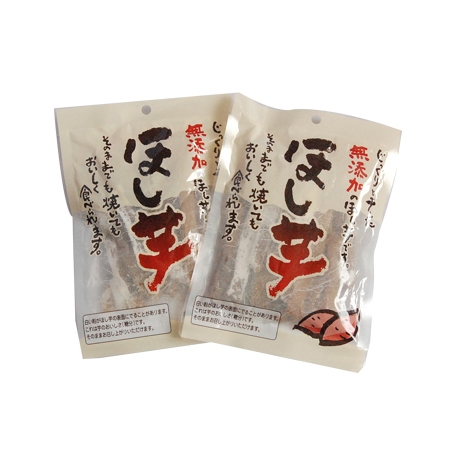
Dried potatoes, as a common snack, are widely popular due to their unique taste ease of storage. The processing technology of dried potatoes has evolved traditional handmade production to modern industrial production. There are significant differences between traditional craftsmanship modern technology in terms of raw material processing, drying methods, hygiene standards, production efficiency, product quality. The following will compare the differences between the two in detail multiple dimensions.
1、 Raw material selection pretreatment
traditional craftsmanship
Raw material selection: Traditional techniques usually rely on locally grown sweet potatoes potatoes, with a single variety low requirements for the size shape of raw materials, allowing the use of irregularly shaped potatoes.
Pre treatment: manual cleaning, relying on manual brushing soaking to remove soil; Peeling is often done using knives scraping, which is inefficient prone to waste; The slice thickness is uneven depends on experience.
Color protection treatment: Traditional methods often involve soaking in clean water plant ash water to prevent oxidation, but the effect is unstable the dried potatoes are prone to blackening.
modern technology
Raw material selection: specialized varieties with high starch low fiber (such as "purple sweet potato" "red heart sweet potato"), with strict standards for size maturity to ensure consistency of the finished product.
Preprocessing: Mechanized cleaning (drum high-pressure spray), peeling using steam alkali peeling technology, with low loss rate; Slicing is completed by CNC equipment, the thickness can be precisely adjusted (such as 2-3 millimeters).
Color protection treatment: using food grade antioxidants (such as citric acid, sulfite) vacuum pre cooling technology to effectively inhibit browning.
2、 Drying Technology Efficiency
traditional craftsmanship
Natural drying: Relying on sunlight ventilation, laying potato chips on bamboo mats stone slabs to dry takes 3-5 days is greatly affected by weather conditions (prone to mold growth on rainy days).
Stove baking: In some areas, firewood charcoal fire is used for baking, the temperature is difficult to control (40-60 ℃), which can easily result in burnt smoky flavors.
modern technology
Hot air drying: using electric gas hot air circulation equipment, temperature controllable (50-70 ℃), drying time shortened to 8-12 hours.
Vacuum freeze-drying: High end technology uses low-temperature freeze-drying to retain more nutrients original color, but at a higher cost.
Intelligent control: Real time monitoring of humidity temperature through sensors, automatic adjustment of drying parameters to ensure uniform dehydration.
3、 Health Safety Standards
traditional craftsmanship
Sanitary conditions: Open environments are susceptible to dust, insect fly pollution; Manual operation may introduce microorganisms (such as Escherichia coli).
Additives: hardly using preservatives, relying on high sugar salt to extend shelf life, but prone to mold growth.
modern technology
Aseptic workshop: The production environment meets GMP standards is equipped with ultraviolet disinfection air filtration systems.
Safety control: adding compliant preservatives (such as potassium sorbate), using vacuum packaging nitrogen filling technology, with a shelf life of up to 6-12 months.
Detection technology: Screening for foreign objects through metal detectors X-ray machines, laboratory testing for water activity, microbial indicators, etc.
4、 Product Quality Flavor
traditional craftsmanship
Taste: Due to slow drying speed, dried potatoes have a harder texture, naturally concentrated sugar, a rich but possibly uneven sweet taste.
Flavor: Retains more of the original sweet potato aroma, with some smoking techniques giving a unique burnt aroma, but with a darker color.
modern technology
Taste: By adjusting the drying curve, products with different softness hardness can be produced (such as "soft glutinous" "crispy").
Flavor: Adding seasonings (honey, cinnamon, etc.) using low-temperature processes to retain nutrients such as vitamin C; Freeze drying technology improves rehydration properties.
Appearance: Bright color (such as orange red), smooth surface, uniform shape.
5、 Production efficiency scalability
traditional craftsmanship
Capacity: The daily output is usually less than 100 kilograms, suitable for family workshops small-scale production.
Artificial dependence: Both cleaning packaging require manpower, the cost increases with the rise in labor prices.
modern technology
Capacity: The daily output of automated production lines can reach several tons, such as continuous dryers processing over 500 kilograms per hour.
Automation: Implementing assembly line operations cleaning, slicing to packaging, reducing labor costs by over 80%.
6、 Environmental Protection Sustainability
traditional craftsmanship
Energy: relying on firewood coal, with high carbon emissions; Drying takes up a lot of space.
Waste disposal: Potato peels scraps are often used as feed discarded, with low utilization rates.
modern technology
Energy saving technology: waste heat recovery system, solar assisted drying equipment to reduce energy consumption.
Waste utilization: Extracting dietary fiber potato peels, fermenting the residue to produce biogas, achieving a circular economy.
7、 Market positioning cultural value
Traditional craftsmanship: commonly found in rural tourist areas, emphasizing the concepts of "handmade" "ancient methods" to meet nostalgic consumption needs, such as Fujian Liancheng dried sweet potatoes.
Modern technology: Targeting supermarkets e-commerce channels, emphasizing "standardization" "healthy snacks", suitable for large-scale brand operation.
Traditional craftsmanship modern technology each have their own advantages disadvantages: the former excels in flavor cultural heritage, while the latter has more advantages in efficiency, safety, consistency. The future trend may be a combination of the two - for example, using modern equipment to simulate traditional slow drying processes, pushing handmade dried potatoes to a wider market through cold chain logistics. Consumers can choose according to their needs: pursue the original ecology choose tradition, focus on convenience quality choose modernity.