Tel:0417-6271130
Fax:0417-6271727
Email:hdfood@online.ln.cn
ADDRESS:No. 2, Minjiang Road, Economic Technological Development Zone, Yingkou City, Liaoning Province
Website:www.hd-food.com
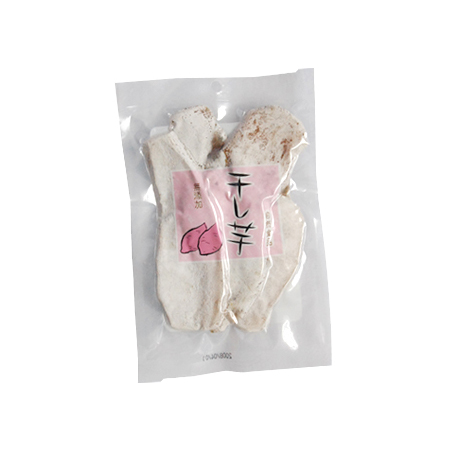
Dried potatoes, as a traditional food, are deeply loved by people for their sweet delicious taste, as well as their ease of storage. However, during the processing of dried potatoes, improper handling can easily lead to mold spoilage, which only affects the quality taste of the product, but also endangers the health of consumers. Therefore, mastering the key techniques to avoid mold spoilage during the processing of dried potatoes is crucial.
1、 Raw material selection processing
excellent raw materials: Choose fresh, pest free, mechanically undamaged sweet potatoes as raw materials. Rotten, sprouted, frozen sweet potatoes are prone to mold growth are more likely to spoil after processing.
Thoroughly clean: Thoroughly clean the soil, impurities, residual pesticides on the surface of sweet potatoes to avoid contaminating the dried potatoes.
Peeling treatment: Sweet potato peels contain a lot of fiber impurities, which can easily breed bacteria. It is recommended to peel them before processing. When peeling, pay attention to the cleanliness hygiene of the cutting tools to avoid cross contamination.
2、 Processing technology control
Uniform slice thickness: Slice thickness directly affects drying speed uniformity. Slicing too thick makes it difficult for internal moisture to evaporate, which can lead to the growth of mold; Slicing too thin can easily break affect the appearance of the finished product. It is generally recommended to slice with a thickness of 5-8 millimeters.
Color protection treatment: After slicing sweet potatoes, they are prone to oxidation blackening, which affects their appearance quality. Soaking in salt water, citric acid solution, sodium bisulfite solution can be used for color protection treatment to inhibit enzymatic browning.
Moderate steaming cooking: Steaming cooking can disrupt enzyme activity in sweet potatoes, inhibit browning, gelatinize starch, making it easier to dry. The steaming time should be too long to avoid sweet potatoes being too soft rotten, which may affect the taste. It is generally recommended to steam until it is about 70-80% cooked.
Thoroughly dry: Drying is a key step in the processing of dried potatoes, which directly affects the shelf life of the product. Incomplete drying excessive residual moisture can easily breed mold. Drying can be achieved through methods such as natural air drying, hot air drying, vacuum drying. During the drying process, it is important to pay attention to ventilation avoid humid hot environments.
Natural drying: Choose sunny, dry, well ventilated weather for drying, avoiding direct sunlight to prevent the dried potatoes changing color. During the drying process, it is necessary to frequently flip it over to ensure even drying.
Hot air drying: A hot air dryer is used for drying, with temperature controlled at 60-70 ℃ humidity controlled below 30%. The drying time depends on the thickness moisture content of the potato chips.
Vacuum drying: Vacuum drying can reduce the drying temperature, avoid the influence of high temperature on the quality of potato drying, shorten the drying time, but the equipment cost is relatively high.
Moisture control: The final moisture content of dried potatoes should be controlled below 15% to effectively inhibit mold growth. A moisture analyzer can be used for testing to ensure that the moisture meets the standard.
3、 Packaging Storage
Packaging material selection: Choose packaging materials with poor breathability, moisture resistance, light avoidance, such as vacuum packaging bags, aluminum foil bags, etc., to avoid moisture absorption spoilage of dried potatoes.
Clean packaging environment: The packaging environment should be kept clean hygienic, avoiding dust microbial contamination.
Storage conditions: Store dried potatoes in a cool, dry, well ventilated place, avoiding direct sunlight high temperature humidity environments. It is recommended to store at a temperature below 20 ℃ a relative humidity below 60%.
Regular inspection: Regularly inspect the stored dried potatoes, promptly deal with any signs of mold to avoid contaminating other products.
4、 Other precautions
Hygiene of processing personnel: Processing personnel should maintain personal hygiene, wear clean work clothes, hats, masks to avoid contaminating products.
Cleaning of processing equipment: Processing equipment should be regularly cleaned disinfected to avoid the growth of microorganisms.
Additive usage: Preservatives such as potassium sorbate sodium dehydroacetate can be added in moderation to inhibit mold growth, but it is important to note that the amount added meets national standards.
Quality inspection: Regularly conduct quality inspections on dried potatoes, including sensory indicators, physicochemical indicators, microbiological indicators, to ensure product safety hygiene.
Strict control is required multiple aspects such as raw material selection, processing technology, packaging storage to prevent mold deterioration during the processing of dried potatoes. Only by paying attention to every detail can we produce safe, hygienic, high-quality dried potato products.